Rooms you avoid in the afternoon
West- and south-facing living areas, kitchens and bedrooms that heat up despite the A/C.

Residential
Cooler rooms, less glare and protected interiors — for waterfront homes, custom builds, renovations and any house with more glass than shade. Chosen for your glass and installed with care.
We start with the glass: type, exposure and compatibility come before any film recommendation.
Illustrative image
Short answer
Residential window film is a thin film professionally applied to the inside (or occasionally outside) of your existing windows. It reduces solar heat gain, cuts glare, blocks nearly all UV to slow fading, and can add daytime privacy — without replacing the glass. For Florida homes the best choice balances heat control against light and view; lighter spectrally selective films keep a natural look, while darker or reflective films do more for glare and privacy.
Common problems
West- and south-facing living areas, kitchens and bedrooms that heat up despite the A/C.
Big rear glass walls and lanai doors that bring in the view — and the sun.
Gulf, bay, lake and pool reflections that wash out rooms and screens.
Hardwood, rugs, upholstery, cabinetry and art near sunny windows.
Monitor glare and heat in rooms where you work every day.
Front windows and close neighbors — daytime privacy without losing light.
By goal
Each solution page explains how the film works, what to expect, and which products fit.
For homes, we usually start with the rooms you avoid in the afternoon — living areas with large rear glass, home offices, bedrooms over garages, and lanai sliders. The goal is comfort you can feel without making the house look dark from inside.
Typical residential glare problems: TV walls opposite a slider, home offices facing the water, and kitchens with bright reflections off the pool deck.
A strong fit for waterfront and view homes, large sliding doors and picture windows, and HOA communities that limit dark or reflective film.
Common for front-facing windows, bathrooms, home offices and homes close to neighbors. Many HOAs regulate exterior reflectivity, so we check before recommending a mirrored look.
High-value targets: hardwood and luxury vinyl floors, rugs, leather and fabric furniture, built-ins and art collections in sunny rooms.
Used on homes with laminated or specialty glass, skylights and hard-to-access glass, after a compatibility review.
Waterfront & luxury homes
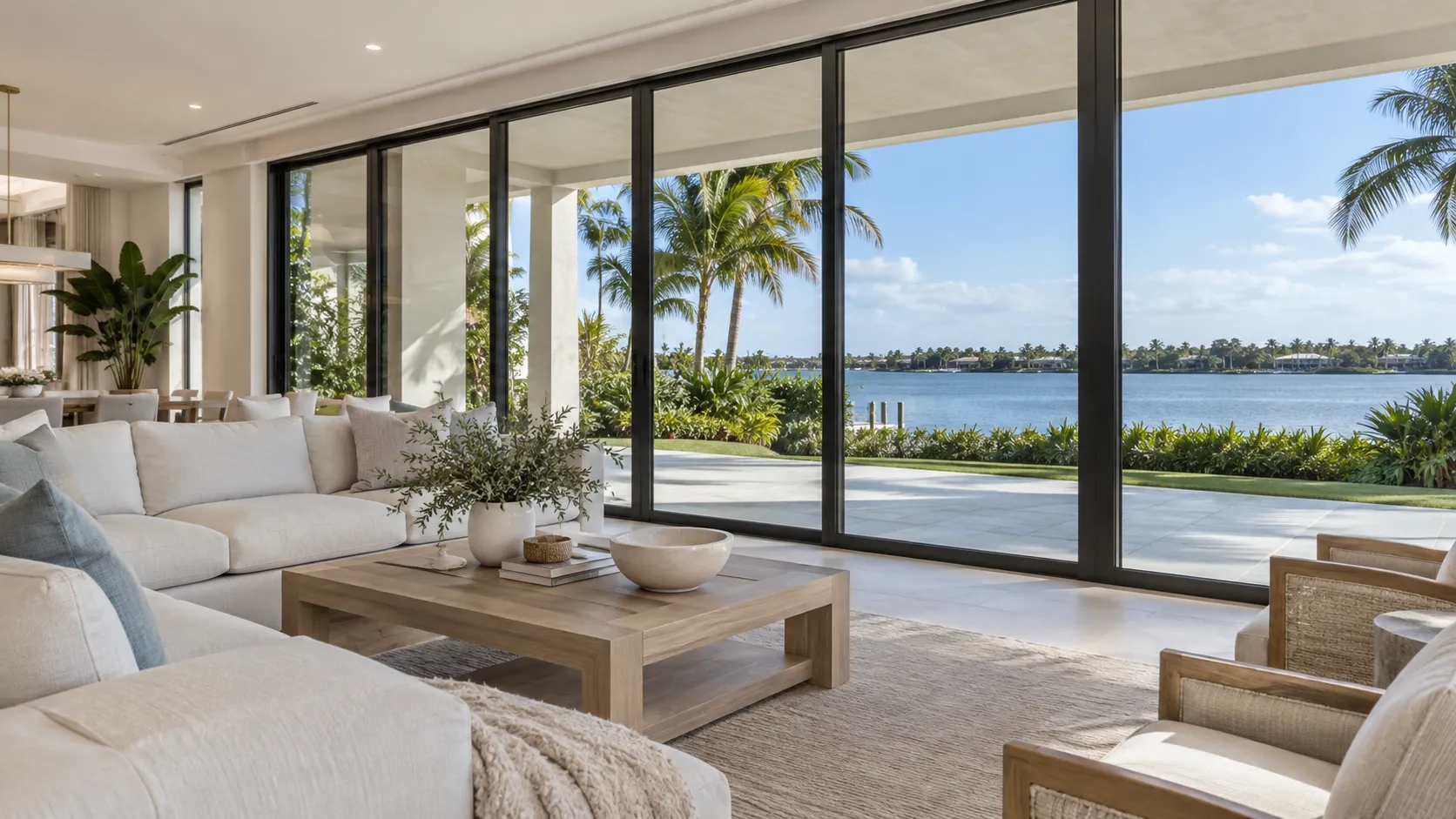
Homes on the Gulf, the Intracoastal and the lakes of Pasco and northern Hillsborough deal with two light sources: the sun and its reflection off the water. Big glass walls, pocket sliders and clerestory windows make that worse — and they're exactly what owners don't want to cover.
For these homes we usually look first at spectrally selective and light neutral films, then step up to dual-reflective films where glare is the bigger issue. On high-end homes the details matter: protecting finished floors and furnishings while we work, working cleanly around custom window treatments, and consistent, tight edges on every pane.
Film options
Madico's solar control range is our core; the right family depends on whether heat, glare, privacy or view matters most.
Madico
Featured manufacturer
Additional film lines
Global and Express window films
Product names are taken from manufacturer product pages. Performance figures vary by shade and glass; we'll provide the manufacturer's technical data for the specific film we recommend.
Why H2O
Glass type, size, coatings and exposure are reviewed against the film maker's compatibility guidance before we recommend anything.
Our core architectural range comes from Madico, a window film manufacturer headquartered in Pinellas Park, here in Tampa Bay.
We work carefully around high-end interiors, custom window treatments and large or specialty glass.
You'll hear what a film will do, what it won't, and why we picked it — not just the most expensive option.
Most projects can be estimated by phone; we come out when the glass needs to be seen.
Homeowner questions
Waterfront homes get direct sun plus light reflected off the water, so glare and heat both matter — but so does the view. Spectrally selective and light neutral films keep the view natural while reducing heat and nearly all UV; dual-reflective films add stronger glare control with a clearer night-time view than standard reflective film. We usually compare two or three options on your actual glass, and check HOA rules on reflectivity.
Yes. Solar control film reflects and absorbs part of the sun's energy at the glass, so less heat enters the room. You'll notice it most in direct sun on west- and south-facing glass. The amount depends on the film and your glass.
Some window and glass manufacturers address aftermarket film in their warranties. Ask your window manufacturer, and we'll check the film manufacturer's compatibility guidance for your glass before recommending a film. Some film manufacturers also offer glass-related warranty coverage when their guidance is followed — we'll explain what applies to the specific film.
It depends on the number and size of windows and access. Many homes are completed in a day; large homes or specialty glass may take longer. We'll give you a timeframe with your estimate.
After the film has cured, you can clean it with a soft cloth or squeegee and a non-abrasive cleaner. We'll give you the specific care and curing guidance for your film at installation.
Next step
Which rooms, which windows, and what's bothering you — heat, glare, fading or privacy. Most residential projects can be estimated by phone; we'll come out when the glass needs to be seen.
Free estimates by phone · on-site assessments when the glass needs to be seen.